Mud Kitchens |
For a free copy of this document as a pdf please click here
For Mud Kitchen resources please click here
Contents
Just Do It! - Guidelines for creating a Mud Kitchen
Choose the Place
Make the Space
Fit it Out
Places to Find what you need
Get Busy In It!
Being a Good Assistant
Delving into the Meanings of Mud Play
Children’s Books to go with Mud Kitchen Play
Further Information
By Jan white
For a free copy of this document as a pdf please click here
For Mud Kitchen resources please click here
Dedication
"This page is dedicated to all the children who have shown us the deep
pleasures of mud play, and to all those practitioners who push the
boundaries to enable young children access to the outdoors in an
elemental and meaningful way."
Thanks to contributors
Many thanks to the children, adults and settings who have so generously
shared images of their own mud kitchens at work:
Carol Duffy, Ireland
Jan White -- Jan Whites Blogg
Jane Wratten and Slynn Street STARters, Sheffield -- email Jane Wratten
Liz Magraw and Ruth Sharpe, Hind Leys Preschool, Leicestershire Hind Leys Pre- School, -- Hind Leys Website
Liz Knowles, Muddy Faces
Menna Godfrey and Quackers Playgroup, York --email Quackers Playgroup
Suzanne Scott, Ann Thompson and Sandfield Natural PLay Centre,
Sandfield House
Lickers lane,
Whiston,
Merseyside,
L35 3SR.
Telephone number: 0151 4266262
Vanessa Lloyd and Christchurch County Primary School,
Ernest Street,
Rhyl,
Clwyd,
LL18 2DS.
Creating a mud kitchen
Text copyright
© Jan White
Photographs copyright: cover image by Carol Duffy
©Ann Thompson, ©Carol Duffy, ©Jan White, ©Jane Wratten, ©Liz Knowles,
©Liz Magraw ©Mena Godfrey, ©Vanessa Lloyd
All rights reserved. No part of this publication may be reproduced,
stored in a retrieval system or transmitted in any form, or by any
means, electronic, mechanical, photocopying, recording or otherwise,
without either permission in writing from the publisher or a licence
permitting restricted copying.
Published by: This information is published by Muddyfaces, a leading supplier
of Forest School equipment and challenging outdoor play
resources. All our products are used and recommended by
experienced practitioners.
Muddyfaces Ltd
40 Olivet Road
Sheffield
S88QS
www.muddyfaces.co.uk
01142219617
Disclaimer: the author and publisher cannot take any responsibility for
the use of the ideas and guidance given in this publication.
As with any aspect of early years provision, it is always necessary to
carry out ongoing risk assessment and management according to the
specific children, situation and conditions pertaining.
The information and ideas provided have been created to help increase
the understanding and confidence of practitioners aiming to develop mud
play and mud kitchens with groups.
The author makes no claim that the information in this book is
complete. Neither the author nor contributors can accept any legal
responsibility for any harm, injury, damage, loss or prosecution
resulting from any activities or guidance described.
Contents
Just Do It! - Guidelines for creating a Mud Kitchen
Choose the Place
Make the Space
Fit it Out
Places to Find what you need
Get Busy In It!
Being a Good Assistant
Delving into the Meanings of Mud Play
Children’s Books to go with Mud Kitchen Play
Further Information
Just Do It! - Guidelines for Creating a Mud Kitchen
There is little more important in our physical world than earth and
water and they are truly intriguing things, especially when they
interact. Mixing soil, water and a range of other natural
materials has a foundational role in early childhood which has deep
importance and endless possibilities for well-being, development and
learning. The breadth and depth of what these experiences
offer young children is truly remarkable.
 |
Mud kitchens provide something quite different to a soil digging patch,
whilst also being much more easily managed. A mud kitchen
includes elements of the much-loved domestic corner and cooking from
indoor play, which are then hugely enriched through the special nature
of being outside. Mud kitchens work well all year round, and
need to be seen as a core element of continuous provision outside.
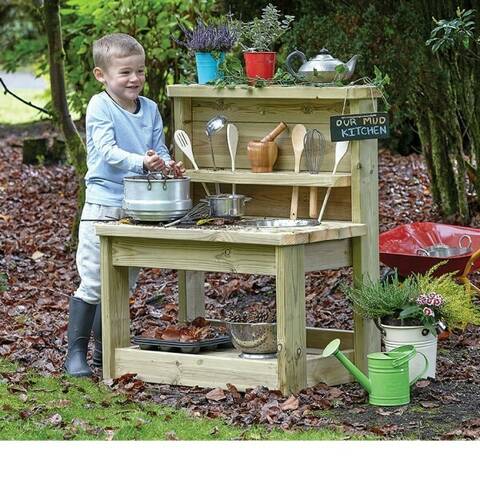
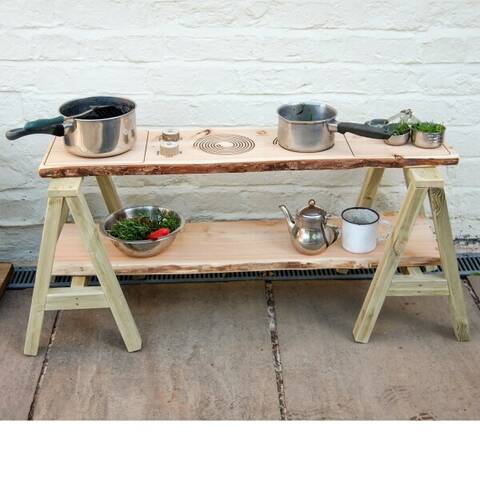
Mud kitchens do not need to be fancy and
certainly do not need to cost
much. There is nothing to beat the simplicity and character
of
creating your own unique kitchen from scrounged, begged and discovered
items. And remember, the best mud kitchens are made in
collaboration
with the children who will be using them. |
Choose the Place
 >
The kitchen needs a handy and ample supply of the basic materials
of sand and/or mud. Offering both provides contrast in
colour, texture and mixing behaviour – and many more possibilities
for imaginations. Being situated near the sand area or mud
patch may give the kitchen more context and meaning, but big pots of
these basic materials will also be fine, preferably at floor
level for ease of access.
Mud kitchens that have walls, fences or other vertical surfaces on one
or two sides then have potential for hanging pots and utensils on them
or for installing shelving, making it feel more kitchen-like and better
to use. A corner also creates room-like enclosure that feels
cosy and safe, which research suggests is good at generating dramatic
play in young children.
|

|

|
A water supply is essential, but it does not need to be in the kitchen
or even close-by, as children love to fill containers both large and
small to transport across to the kitchen for use. Make sure
however that there are several types of collecting containers for this
activity and an ample (preferably running) water source, such as an
outdoor tap, water butt or a large container of water.
Gravel, pebbles and other natural materials are also natural companions
for concoction making. If these are not generally available
in the outdoor space, then good-sized containers need to be kept topped
up for good supplies (consider drainage of these if kept in the open
air).
Plant material is also an important ingredient of a good mud
kitchen. This can be anywhere – children just need permission
to pick and gather - and some agreed boundary rules so that plants can
keep supplying! Lots of robust, pickable plants spread around
the whole outdoor space are ideal.
|
One last thought is to locate the kitchen near to compatible
activities, such as good places for den play, as these complementary
aspects of provision will enhance each other, enriching experience for
the children.
Make the Space
Kitchens can be all sizes, but the size will influence the feel of the
place and, therefore, probably the kind of activity that takes
place. Room for several children to work alongside or in
collaboration seems important. Large, open-plan kitchens may
well generate more boisterous themes and actions. A choice of
both large and small nook-like kitchens would be ideal in a group
setting.
Enclosure from fences and walls (as above) or by installing low level
boundaries such as wicker fencing (so that children can see over but
the space feels enclosed by them) can create a good mud kitchen
feel. A roof is not necessary as this would prevent the
elements being part of the stimulus and range of experiences.
Some kitchens that are in the middle of an open sand/digging area work
fine too, but perhaps have less sense of being a special place.
In creating some sense of enclosure, it’s important not to separate the
kitchen from the rest of the outdoor space. It needs to be
easy to get in and out and to see in and out, and it needs to interact
with whatever else is going on outdoors.
|
|
Working surfaces are a crucial element. These need to be at
the right height for the children and to provide enough space to work
at, with all the mess that creative kitchen work entails.
|
Shelving and cupboards add much to the feeling and functionality of the
kitchen. It’s really helpful if each pot and utensil stands
out by itself (compared to the jumble of a box full of stuff), and is
easy to get at. Hooks on walls or the front edge of shelves
and baskets to separate types of utensil can be useful (beware that
hooks are not at eye-poking height).
|
Finally, consider where all the old mixed material is going
to go after use!
Fit it Out
An old cupboard or two; a dresser is perfect!
Work top with plenty of surface to work at
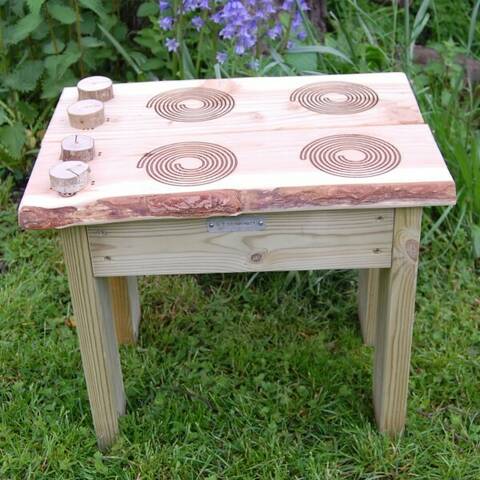
Something to be the cooker in pretend play (an old microwave can be
very effective, having a very satisfying door to open and close, and
buttons to push)
Shelving above and behind the work surface, or a tall cupboard to one
side.
A good basic selection of pots and pans, jugs and funnels, bakeware etc.
An interesting collection of common kitchen utensils, together with a
few unusual and intriguing ones, such as an ice-cream scoop.
Plenty of bowls and containers, again a range of the common ones and a
few special ones such as jelly moulds or ice-cube trays.
Supplies of natural materials in small containers and/or jars (lids
that stay attached are ideal as they do not get lost).
|
|
|
Plants for picking, mixing and grinding.
Enhancements for suitable occasions, such as a selection of food
colourings, essences, herbs and spices, chalk for grinding and mixing,
and ‘special’ ingredients to add the final magical touches to potions
and spells.
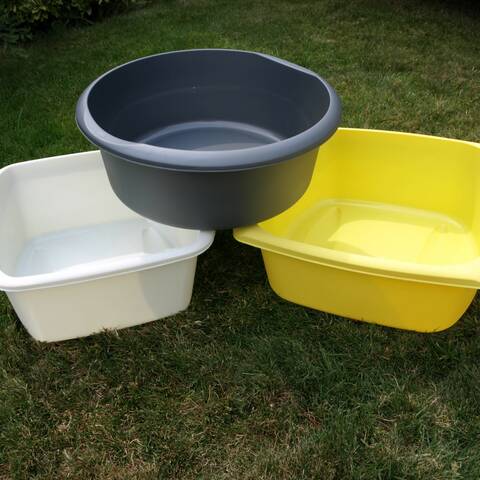
A big washing up bowl, especially one sunk into the worktop, is very
helpful as part of the play and for washing up afterwards.
Note, specific dressing up clothes are not needed!
|
Places to Find what you need
The best mud kitchens, and those which have the most atmosphere and
character, are made from found, gathered and donated items – especially
when these come from the children’s own families. It’s
important not to spend much money – what matters to children
is that
these things come from the real human world, to combine with the stuff
of the real physical world. Here are a few possibilities:
Families of children and staff – specific requests and lucky finds;
items used in a range of represented cultures; the perfect little old
cupboard might come from someone’s garage
Charity and second-hand shops – especially for interesting tableware,
bakeware and utensils
Emporia and house clearance sales - can yield some really interesting
and unusual things
Furniture recycling centres, such as REMAR – can yield some quirky and
cheap cupboards and dressers
Specialist suppliers, such as Muddy Faces – for a range of really
interesting and unusual resources to set up and extend mud kitchens.
|
|
Get Busy In It!
|
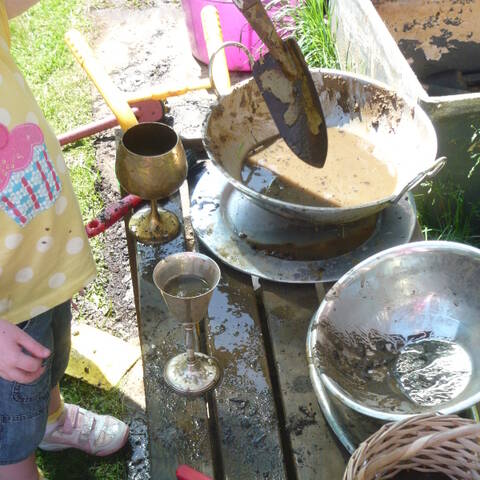
The mud kitchen context and materials result in young children engaging
in an incredible variety of actions, such as: filling, pouring,
emptying, transferring, mixing, stirring, whisking, frothing, scooping,
ladling, handling, moulding, patting, smoothing, mark-making, throwing,
splatting, splashing, sharing out, serving, foraging, selecting,
picking, collecting, gathering, garnishing, shredding, crushing,
mashing, grinding, measuring, adding, brewing, boiling, sieving,
filtering, separating, pipetting and decanting!
|
In the same way, the range of potential experiences is vast, including
sorting, classifying, cooking, transforming, creating, enquiring,
testing, repeating, experimenting, naming, labelling, decorating,
embellishing, selling and using.
The perfect stimulus of experiencing and exploring the physical
transformations (doing) taking place puts the brain into the perfect
place for creating mental transformations (imagination) – and the mix
easily becomes coffee with sugar, a birthday cake, soups and stews, ice
cream in many flavours, lotions and ‘make-up’, magical drinks and
potions, wizard’s spells and perfumes… This work is filled
with emotional, personal and social value, and offers the context for
learning a wonderful range of new and interesting vocabulary and verbal
language exchange and expression.
|
|
Being a Good Assistant
The main role adults need to take is of facilitator and enabler –
making the kitchen available (best constructed by helping the children
to create it to their own specifications), and supporting the play that
then emerges from the children.
Good adult support consists of observing (noticing what is really
taking place), striving to understand (recognising the significance of
this for this child and this group of children) and then responding
according to careful consideration as to what would help the child the
most (which might be standing back out of the way!)
Supplying useful language for equipment, actions and descriptions can
be very helpful provided it is done in context where it makes sense
(and is not overdone!)
There is so much to mud kitchen play and its deeper meanings for
children that the role of researcher would be highly valuable.
Other adults may not understand why this is all so valuable and
important, and may have many objections, so supporting adults also need
to interpret what is really happening and advocate for mud play in all
children’s lives.
Delving into
the Meanings of Mud Play
Young children are endlessly interested in – and biologically
programmed to explore – the stuff of the earth, how materials behave
and what they do.
Making connections through discovering and investigating cause and
effect is the stuff of brain development and scientific
process. Curiosity, fascination and the pleasure of finding
thing out are fundamentally important to the human state – being human.
An even more powerful level of experience for the explorer is that they
are the one making things happen – giving feelings of control and
power, and over time, building a child who has a strong inner sense of
agency (which itself is key to well-being and mental health).
The processes of making ‘concoctions’ brings the worlds of science and
art completely together through possibility thinking. The
growth of imagination and creativity happens through building on
concrete cause-and-effect experience to posing and predicting ‘what
if…?’ Good scientists do this all the time, as do artists and
all other innovators.
|
|
Even better, the experience of making concoctions brings the child into
the realms of magic and fantasy – reminding us of the ancient
fascinations of alchemy.
Keeping it Safe
and Healthy
First and foremost, children must be kept safe enough whilst they have
access to the important experiences that they need for full and healthy
development. Our job is to manage an opportunity to make it
safely available – not to remove it in the name of ‘health and
safety’. The requirement is to be ‘as safe as necessary’
rather than ‘as safe as possible’ (Royal Society for the Prevention of
Accidents).
The current official approach is one of risk-benefit assessment -
better thought of as benefit-risk assessment: that is, consider why the
experience matters and then manage to make it available. Much
more can be found in the government endorsed document Managing Risk in
Play Provision, available to download from the Play England website:
Managing Risk in Play Provision
|
|
Contact with soil is actually beneficial as the bacteria in it help to
build healthily functioning immune systems in young children (See Why
Dirt is Good in booklist below), and research also suggests that this
contact produces serotonin in the body – which makes us feel happy!
(Go plat in the dirt).
The medically-supported Hygiene Hypothesis
suggests that contact with the beneficial germs that we have evolved
with is vital, and that harm is done by over sanitising children as we
currently do.
Soil can however carry harmful pathogens, and care to ensure no
contamination from cat and dog faeces is extremely important.
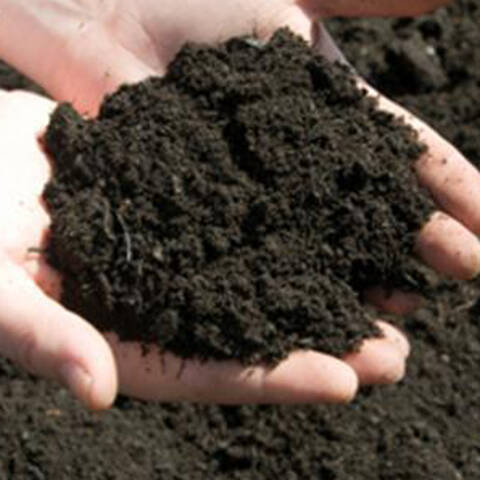
A useful approach for mud kitchens is to supply soil from purchased
loam topsoil rather than from gardens or uncovered plant borders (all
garden centres sell this; don’t try compost as it does not behave
sufficiently like soil for satisfactory mud play). Freshly
excavated mole hills also supply lovely clean topsoil! Sand
in sandpits is also best covered with a light mesh out of hours (for
more on this, see Playing and Learning Outdoors)
Handwashing is important after playing in this way, so routines and
expectations must be agreed with the children, set up to work easily
and adhered to, to embed hand-washing as habitual. The best
first stage to this is to establish the routine that children wash up
the pots they have used in a large bowl of warm, soapy water!
|
|
Children also need to stay warm and comfortable – and mud kitchen work
is likely to be wet and messy. Waterproof dungarees with
wellies offer the best protection for most of the year in the UK – the
best hot weather attire would be old shorts and T-shirt!
Somewhere to wash muddy suits down and hang to dry should be part of
any well-operating outdoor provision.
The best risk management processes involve the children as a core
control measure – always introduce new resources and experiences
carefully, simply and slowly (one at a time, with plenty of time in
between) with lots of emphasis on helping children access them safely
and effectively. Less is always more with young children’s
experiences!
Ask the children to look for things they think could be harmful and get
their agreement as to the best ways they can manage these (with your
support when needed), such as pots on the ground being a tripping
hazard.
Pots and utensils need to be kept in good condition and will need to be
washed and dried reasonably often to avoid them rusting and becoming
unpleasant to use. Keeping them drained and aerated is a very
good idea, and occasionally wiping a light coat of cooking oil (with
paper towels or cloths) prevents rust and mould. Storing
resources in open-net sacks or wire baskets is also a solution.
Children’s
Books to go with Mud Kitchen Play
Mud Itself:
Mudlarks in Out and About by Shirley
Hughes (Walker Books, 2005) ISBN 1-84428-473-5
Mud Pie Annie by Sue Buchanan and Dana
Shafer (Zonder Kids, 2001) ISBN 10-0-310-70816-8
Mud by Mary Lyn Ray & Lauren
Stringer (Voyager Books, 1996) ISBN 978-0-15-202461-1
Mud Puddle by Robert Munsch &
Sami Suomalainen (Annick, 2008) ISBN 1-55037-468-0
Princess Pigsty by Cornelia Funke
& Kerten Meyer (Chicken House, 2007) ISBN 978-1-905294-32-9
Joe’s Café by Rose Impey & Sue
Porter (Orchard Books, 1993) ISBN 1-85213-563-8
The Mud Family by Betsy James &
Paul Morin (Oxford University Press, 1994) ISBN 0-19-512479-0
Potions and Spells:
The Slimy Book by Babette Cole (Red
Fox, 2003) ISBN 978-0-099-43426-9
Spells by Emily Gravett (Macmillan
Children’s Books, 2008) ISBN 978-0-230-01492-3
Professor Puffendorf’s Secret Potions
by Robin Tzannes & Korky Paul (Oxford University Press, 1992)
ISBN 978-0-19-272712-1
Memory Bottles by Beth Shosan &
Katie Pamment (Meadowside Children’s Books, 2004) ISBN 1-904511-62-7
|
|
Cooking with Mud:
Goldilocks and the Three Bears by
Nicola Baxter & Liz Pichon (Ladybird Books) ISBN 0-7214-9733-0
Pumpkin Soup by Helen Cooper (Picture
Corgi Books, 1999) ISBN 0-552-54510-4
Delicious by Helen Cooper (Doubleday,
2006) ISBN 0-385-60498-X
Stone Soup by Jess Stockham (Child’s
Play, 2006) ISBN 978-1-84643-021-3
The Essential Soup Cookbook (The
Australian Women’s Weekly) ISBN 186396192-5
Mud Pies and Other Recipes by Marjorie
Winslow (The New York Review of Books, 1998 – originally 1961) ISBN
978-1-59017-368-8 (Available from muddyfaces)
The Australian Women’s Weekly range of
small, full colour illustrated recipe books: Café Cakes; Cheesecakes,
Pavlovas & Trifles; Jams & Jellies; Pickles &
Chutneys; Casseroles; Curries; Outdoor Eating
Ice Cream Machine Book: frozen delights
from homemade ice creams and sorbets to sauces and desserts by Rosemary
Moon (Apple Press 2006) ISBN 978-1845430993
Fantastic Cocktails & Mixed
Drinks, Family Circle (Murdock Books) ISBN 0-86411-383-8
Pancakes, Pancakes by Eric Carle
(Aladdin Paperbacks, 1991) ISBN 978-0-689-82246-9
Mama Panya’s Pancake: a village tale
from Kenya by Mary & Rich Chamberlin & Julia Cairns
(Barefoot Books, 2006) ISBN 1-905236-63-8
Pie in the Sky by Lois Ehlert (Harcourt
Inc, 2004) ISBN 0-15-216584-3
Further information
International Mud Day 2012 The second year of the highly successful and
exciting global celebration instigated by the Nature Action
Collaborative for Children (World Forum Foundation for Early Childhood
Education and Care) – participation is required!
worldforumfoundation.org/wf/wp/initiatives/nature-action-collaborative-for-children/international-mud-day-2011/stories/
The Mud Centre A great article on Recapturing childhood through
authentic mud play
www.communityplaythings.com/resources/articles/dramaticplay/mudcenter.html
Parents Put Mud Pie Making Top for Toddler Development BBC News report
10th January 2012 Survey of 1000 parents by Cow and Gate on activities
children should do before they are three (the ‘Potty List’).
www.bbc.co.uk/news/education-16485368
Let the children play blog has many posts on mud kitchens in her own
practice and from blogs around the world, all vibrantly home made
progressiveearlychildhoodeducation.blogspot.com/
Let the children play pinterest board has lots of great images of mud
kitchens
pinterest.com/mamabare42/early-childhood-outdoor-learning-environments/
The Ice Cream Factory by Paddy Beals, Early Education Journal, Summer
2009 p8-9. Fabulous play developing outside at Wingate Nursery School
& Children’s Centre.
Jan White’s Web/blog site for a range of articles, resources, training
and posts on being, playing and learning outdoors
janwhitenaturalplay.wordpress.com
Playing and Learning Outdoors by Jan White, has list of good resources
for ‘pies, potions and perfumes’ p60 (available from Muddy Faces and Amazon online booksellers)
Why Dirt is Good: 5 ways to make germs your friends by Mary Ruebush,
PhD (an immunologist who trains doctors). Explains how the
immune-system building and allergies are built, and the need for
bacteria in healthy outcomes of these processes
www.cbsnews.com/2100-500165_162-4766105.html
The Dirt on Dirt How Getting Dirty Outdoors Benefits Kids
The national wildlife federation – be out there
While many times getting our hands dirty is frowned upon, Be Out There
has some new facts and figures that may have you throwing your kids
into the nearest mud puddle. In their latest report, they reveal how
getting down and dirty in the great outdoors-far from being a bad
thing- helps children lead happier, healthier lives. Get in on our
dirty little secret!
www.nwf.org/Get-Outside/Be-Out-There/Why-Be-Out-There/Benefits/The-Dirt-on-Dirt.aspx
Examples of Mud Kitchens
There are thousands of examples of amazing mud kitchens available on
the internet here are just a few different ones we have found from
around the globe.
rhythmofthehome.com/archives/summer-2010/mud-pie-kitchen/
www.childmag.co.za/content/playing-dirt-and-mud-builds-childs-immunity
www.childcentralstation.com/2011/05/mud-pie-kitchen-renovation.html
progressiveearlychildhoodeducation.blogspot.co.uk/2011/05/play-heats-up-in-outdoor-kitchen.html
mrsm-adventuresplay.blogspot.co.uk/2011/05/mud-pie-kitchen-national-trust.html
www.athomewithali.net/2012/03/mud-garden-part-3.html
simple-whimsy.blogspot.co.uk/2011/04/outdoor-mud-pie-kitchen.html
gironlife.blogspot.co.uk/2011/07/mud-pie-kitchen.html
tinkerlab.com/2011/06/mud-pie-kitchen-beta-version/
stompinginthemud.blogspot.co.uk/
sewliberated.typepad.com/sew_liberated/2011/05/menu-chocolate-pancakes-mud-pie-sweet-gum-ball-ice-cream-mud-bread-with-herbs-it-didnt-take-the-daddy.html
www.growingajeweledrose.com/2012/03/mud-pie-kitchen.html
progressiveearlychildhoodeducation.blogspot.co.uk/2010/03/ways-to-incorporate-mud-play-into.html
www.preschoolexpress.com/theme_station06/may06_mud.shtml
progressiveearlychildhoodeducation.blogspot.co.uk/2011/08/10-reasons-why-we-should-let-children.html
learningin21.edublogs.org/2012/02/17/we-love-mud/
www.bbc.co.uk/learningzone/clips/children-play-in-the-mud/10632.html
happyhooligans.wordpress.com/category/mud-play/
www.youtube.com/watch?v=tdCn_KkXM4w&feature=fvwrel
simplemom.net/let-your-kids-get-dirty/
www.playcreateexplore.com/2011/06/mud-pie-kitchen.html
chasingthesseasons.blogspot.co.uk/2011/05/mud-pie-kitchen-love.html
This page is part of Muddyfaces initiative
“Outdoor play the natural way”
Outdoor play the natural way aims to support practitioners to access
outdoor play through the provision of useful information and open ended
resources. We are working in collaboration with inspiring specialist in
the world of outdoor play. To put together inspiring booklets such as
this and thought provoking resources all available on our website.
www.muddyfaces.co.uk
Making a Mud Kitchen - We would always encourage people to use recycled
materials for mud play. If you require any extra resources we have put
together a comprehensive mud range.
That includes resources such as soil and other natural materials and
fantastic collections and interesting items. Mud range launches June
2012
This document is published by Muddyfaces, a leading supplier of Forest
School equipment and challenging outdoor play resources.
All our products are used and recommended by experienced practitioners.
| |